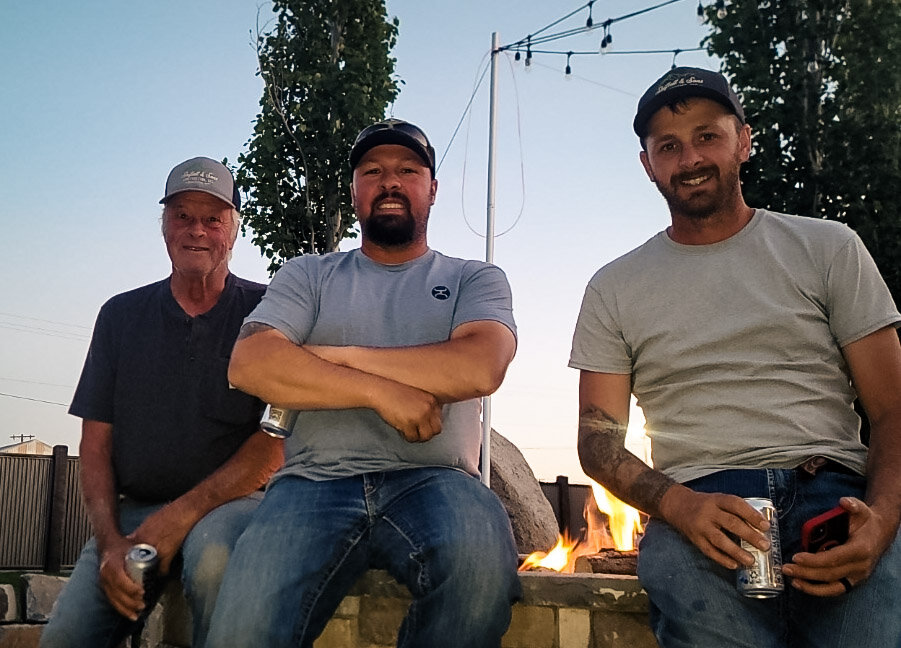
Tomorrow

Clearing

Today

PROTECTING
PROTECTING
SEE OUR WORK
EXPLORE SERVICES
GIVE US A CALL

Mastication/Mulching      Fire Mitigation      Land Clearing      Homesite Preparation      Roads & Access


Services

The Work starts with the 

Land.

Every piece of ground asks for something different. These are the five kinds of work we use most often to get it safer, cleaner, and working better.

FIELD DOSSIER

MASTICATION / MULCHING

Dense brush, slash, and ladder fuels get processed in place so timbered ground opens up without hauling every limb off-site.

USED TO

  • Reduce overgrowth and ladder fuels
  • Open lanes through dense timber and brush
  • Leave mulch cover without stripping the site bare

BEST TERRAIN

Timbered acreage, ranch ground, roadsides, defensible space, and properties that need scale before finer cleanup.

OPERATOR NOTE

“Good mastication feels less like a clear-cut and more like the land can breathe again.”

SHIFLETT & SONS / FIELD PERSPECTIVE

VIEW SERVICE
Mastication and mulching work
01 VEGETATION MANAGEMENT
SEE OUR WORK

Shiflett & Sons

In the work

For Generations.

Long before excavators and mulching heads, the Shiflett name was tied to logging. The tools changed, the country changed, and each generation found its own version of the work. 

Our Story

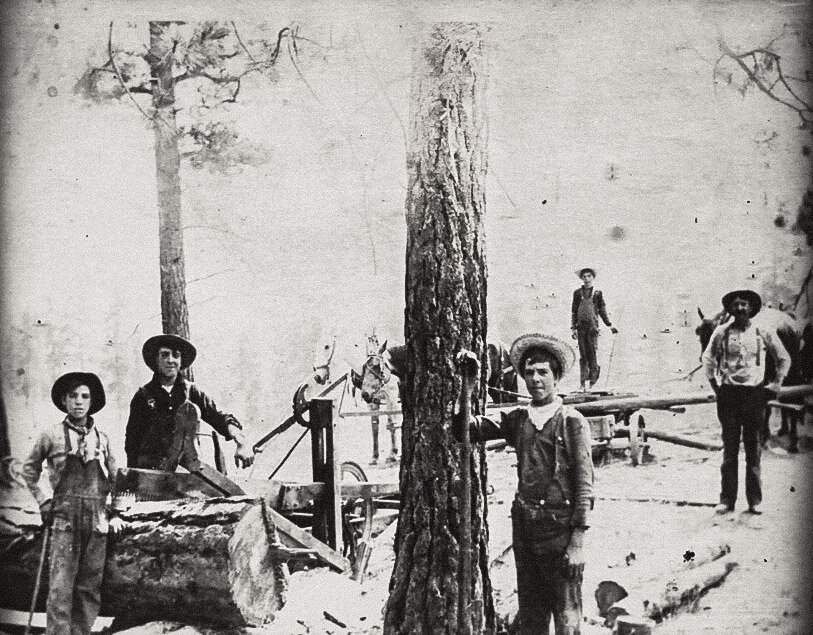
Thomas Shiflett & sons 1907

Shiflett Family Logging | wenatchee world archives

1907

T.S. passed the knowledge on to Lucky, and Lucky carried it forward to Mike and Will. Each generation learned by watching, working alongside the one before it, and finding its own way to keep the Shiflett name tied to timber, equipment, and the land.

THREE GENERATIONS, ONE LINE OF WORK.

Built in the woods

1907

THE EARLY RECORD

Sargent and Thomas Shiflett are photographed during the family’s logging years.

YEAR TBD

THE WORK CARRIES FORWARD

Logging knowledge, equipment experience, and the habits of working outdoors pass into the next generations.

2022

SHIFLETT & SONS BEGINS

Michael and Will establish Shiflett & Sons Construction in Lonepine, Montana.

TODAY

THE NEXT CHAPTER

The family name continues through modern land clearing, fuels work, roads, access, and homesite preparation.

Built in the woods

The Shiflett family has spent generations working around timber, equipment, and the land, and that history still shapes how we approach every project today. We take the time to understand what needs to change, what should stay, and how the finished ground needs to work for the people who own it, because what we leave behind becomes part of their everyday life.

Built by the people

Who taught us how to work.

READ OUR STORY
Meet the family behind the company and the generations of forestry, logging, heavy equipment, and land work that shaped it.

Shiflett & Sons

04 THE SHIFLETT LINE

BEFORE SHIFLETT & SONS WAS A BUSINESS NAME, IT WAS A WAY OF LIFE.

This is not a claim that the company began in 1907. It is the record of a family whose work has remained close to timber, equipment, steel, and land for generations.

01

Sargent and Thomas Shiflett, two earlier generations in Michael and Will’s family, photographed during the family’s logging years.

HISTORIC PHOTOGRAPH COURTESY OF THE WENATCHEE WORLD ARCHIVES
THE PART WE KNOW

The photograph was taken in 1907. The family knows Thomas Shiflett was already working in logging before then, but the exact year he began operating his own logging company has not been documented.

We would rather leave a date open than turn a family story into a sales line. What is documented is the work itself, the generations behind it, and the family’s long familiarity with making a living outdoors and around heavy equipment.

  1. 1907

    THE PHOTOGRAPH, NOT THE BEGINNING

    Sargent and Thomas Shiflett are photographed during the family’s logging years. The work had already begun before the shutter clicked.

  2. 2022

    THE CURRENT COMPANY TAKES ITS NAME

    Brothers Michael and Will establish Shiflett & Sons Construction, bringing the family name into the work they are building together now.

  3. TODAY

    DIFFERENT MACHINES. FAMILIAR WORK.

    Excavators, mulching heads, welding rigs, roads, homesites, land clearing, and fuel-reduction projects now carry the name forward.

THE BROTHERS CARRYING IT NOW

TWO OWNERS. ONE COMPANY.

Michael and Will own Shiflett & Sons equally. Their roles look different day to day, but the decisions, equipment, and direction of the company belong to both of them.

FIELD OPERATIONS

Michael leads the company’s day-to-day field work, crews, equipment, and project execution. He is also a certified welder and the boots-on-the-ground lead for Shiflett & Sons.

PLANNING + DIRECTION

Will works alongside Michael on planning, equipment decisions, future purchases, and the larger direction of the company while remaining closely involved in how Shiflett & Sons moves forward.

SHIFLETT & SONS CONSTRUCTION ESTABLISHED 2022 LONEPINE, MONTANA

THE SHIFLETT LINE

THE NAME HAS BEEN IN THE WORK FOR GENERATIONS.

Long before excavators and mulching heads, the Shiflett name was tied to logging. The tools changed, the country changed, and each generation found its own version of the work.

FROM TIMBER WORK TO MODERN LAND WORK
Historic Shiflett family logging photograph
1907
SARGENT + THOMAS SHIFLETT SHIFLETT FAMILY LOGGING · WENATCHEE WORLD ARCHIVES

BUILT IN THE WOODS

01

BEFORE THE CURRENT COMPANY, THERE WAS TIMBER.

The family story runs through logging, welding, machinery, and land. Not every generation did the same job, but the habits stayed familiar: learn the ground, know the equipment, and take pride in how the work is left behind.

WHAT CARRIED

02

PRACTICAL KNOWLEDGE.

The kind learned outdoors, passed across generations, and sharpened by doing the work yourself.

WHAT CHANGED

03

THE MACHINES GOT BIGGER.

Logging equipment gave way to excavators, mulching heads, welding rigs, and a broader kind of land work.

CARRIED FORWARD. BUILT FOR NOW.

Today, Michael and Will carry the family name into a different chapter through Shiflett & Sons Construction. The work now reaches from timber and fuels to access, homesites, clearing, and the ground between them.

Replace with photograph of Michael Shiflett 01

FIELD + OPERATIONS

MICHAEL SHIFLETT

Mike is most at home where the plan meets the ground. He leads field operations, runs equipment, works with the crew, and reads what a project needs as it takes shape.

Replace with photograph of Will Shiflett 02

PLANNING + DIRECTION

WILL SHIFLETT

Will keeps a hand in the decisions that shape the company’s direction, equipment, growth, and the kind of work Shiflett & Sons is building toward.

AN OLD NAME, STILL IN THE WORK.

SHIFLETT & SONS CONSTRUCTION LONEPINE, MONTANA · EST. 2022

Shiflett & Sons

Dense land is rarely improved by treating every tree, brush patch, and acre the same way. The right approach depends on what is growing there, what you want to keep, how you use the property, and how open you want the finished ground to feel.

WHAT WE WOULD LOOK AT

  • The density and type of brush, timber, slash, and dead material
  • Trees, screening, habitat, or natural features you want retained
  • Terrain, rocks, fences, structures, and equipment access
  • Whether the goal is lighter thinning or a substantially more open result

WHAT COULD CHANGE

  • Better spacing and clearer sightlines through the property
  • Reduced ladder fuels beneath the trees you keep
  • Improved walking, livestock, equipment, or maintenance access
  • A cleaner surface that still feels natural rather than scraped bare

WHAT NEEDS  TO CHANGE
ON YOUR LAND?

We will help connect what you see on the property to the work that can improve it.

Start with the land

Dense land is rarely improved by treating every tree, brush patch, and acre the same way. The right approach depends on what is growing there, what you want to keep, how you use the property, and how open you want the finished ground to feel.

WHAT WE WOULD LOOK AT

  • The density and type of brush, timber, slash, and dead material
  • Trees, screening, habitat, or natural features you want retained
  • Terrain, rocks, fences, structures, and equipment access
  • Whether the goal is lighter thinning or a substantially more open result

WHAT COULD CHANGE

  • Better spacing and clearer sightlines through the property
  • Reduced ladder fuels beneath the trees you keep
  • Improved walking, livestock, equipment, or maintenance access
  • A cleaner surface that still feels natural rather than scraped bare

WHAT NEEDS  TO CHANGE
ON YOUR LAND?

We will help connect what you see on the property to the work that can improve it.

Start with the land

START WITH THE LAND

WHAT NEEDS TO CHANGE
ON YOUR LAND?

You do not need to know whether the answer is mastication, clearing, access work, or site preparation. Start with what feels too dense, blocked, unsafe, or unfinished.

YOU DO NOT NEED TO NAME THE SERVICE.
01

DENSITY + VISIBILITY

THE LAND HAS GOTTEN TOO DENSE.

DENSITY + VISIBILITY

Dense land is rarely improved by treating every tree, brush patch, and acre the same way. The right approach depends on what is growing there, what you want to keep, and how open you want the finished ground to feel.

WHAT WE READ
  • Tree density, timber type, brush, slash, and dead material
  • Features you want retained, including trees, screening, or habitat
WHAT COULD IMPROVE
  • Better spacing and clearer sightlines
  • Reduced ladder fuels beneath retained trees
02

ROADS + ACCESS

ACCESS THROUGH THE PROPERTY NEEDS IMPROVEMENT.

ROADS + ACCESS

A route can exist on paper and still be too narrow, overgrown, washed out, steep, or poorly placed for the way you need to use it.

WHAT WE READ
  • Current road width, grade, drainage, and surface condition
  • Equipment, truck, trailer, emergency, or seasonal access needs
WHAT COULD IMPROVE
  • A clearer, safer, and more usable route
  • Improved width, visibility, drainage, or approach
03

SITE PREPARATION

THE GROUND NEEDS TO BE READY FOR A FUTURE BUILD.

SITE PREPARATION

Good site preparation starts with how the finished property must function, not simply with clearing everything inside a boundary.

WHAT WE READ
  • Homesite placement, access, slope, soils, drainage, and staging
  • Trees, screening, rock, or natural features you want preserved
WHAT COULD IMPROVE
  • A cleared and workable building area
  • Safer access and usable room for contractors and equipment
04

FUELS + DEFENSIBLE SPACE

FIRE RISK NEEDS TO COME DOWN WITHOUT STRIPPING THE LAND.

FUELS + DEFENSIBLE SPACE

Thoughtful fuels work can improve spacing, access, and defensible space while keeping the property recognizable and natural.

WHAT WE READ
  • Brush, deadfall, ladder fuels, canopy spacing, and access
  • Structures, roads, escape routes, fences, and retained trees
WHAT COULD IMPROVE
  • Reduced fuel continuity and better defensible space
  • Improved access for maintenance or emergency use
05

STARTING POINT

THE LAND NEEDS WORK, BUT THE FIRST MOVE IS NOT CLEAR.

STARTING POINT

That is a normal place to begin. Show us what feels overgrown, blocked, unsafe, unfinished, or difficult to use. We can help define the right scope.

WHAT WE READ
  • What is hard to reach, maintain, see through, or safely use
  • What you hope to build, protect, open, retain, or improve
WHAT COULD IMPROVE
  • The work that matters first
  • The right equipment and sequence

THE SIMPLE VERSION

YOU DO NOT NEED TO DIAGNOSE THE PROPERTY BEFORE YOU CALL.

TELL US WHAT YOU SEE

START WITH THE LAND

WHAT NEEDS TO CHANGE
ON YOUR LAND?

You do not need to know whether the answer is mastication, clearing, access work, or site preparation. Start with what feels too dense, blocked, unsafe, or unfinished.

YOU DO NOT NEED TO NAME THE SERVICE.

01 · DENSITY + VISIBILITY

THE LAND HAS GOTTEN TOO DENSE.

Dense land is rarely improved by treating every tree, brush patch, and acre the same way. The right approach depends on what is growing there, what you want to keep, and how open you want the finished ground to feel.
CURRENT CONDITION

WHAT YOU MAY BE SEEING

TOO DENSE TO SEE, MOVE, OR WORK THROUGH EASILY.

  • Tree density, timber type, brush, slash, and dead material
  • Features you want retained, including trees, screening, or habitat
  • Terrain, fences, rocks, structures, and equipment access
PRACTICAL RESULT

WHAT BETTER COULD MEAN

MORE OPEN, MORE USABLE, STILL NATURAL.

  • Better spacing and clearer sightlines
  • Reduced ladder fuels beneath retained trees
  • More usable walking, livestock, and equipment access
LIKELY DIRECTIONMastication · Fuels Reduction · Selective Clearing
TELL US WHAT YOU SEE

02 · ROADS + ACCESS

ACCESS THROUGH THE PROPERTY NEEDS IMPROVEMENT.

A route can exist on paper and still be too narrow, overgrown, washed out, steep, or poorly placed for the way you need to use it.
CURRENT CONDITION

WHAT YOU MAY BE SEEING

NARROW, BLOCKED, WASHED OUT, OR POORLY PLACED.

  • Current road width, grade, drainage, and surface condition
  • Equipment, truck, trailer, emergency, or seasonal access needs
  • Pinch points, brush, trees, culverts, and turnaround space
PRACTICAL RESULT

WHAT BETTER COULD MEAN

A CLEARER, SAFER, MORE RELIABLE WAY THROUGH.

  • A clearer, safer, and more usable route
  • Improved width, visibility, drainage, or approach
  • Better access to fields, homesites, timber, or work areas
LIKELY DIRECTIONRoads · Driveways · Access Improvement · Clearing
TELL US WHAT YOU SEE

03 · SITE PREPARATION

THE GROUND NEEDS TO BE READY FOR A FUTURE BUILD.

Good site preparation starts with how the finished property must function, not simply with clearing everything inside a boundary.
CURRENT CONDITION

WHAT YOU MAY BE SEEING

THE FUTURE HOMESITE IS STILL JUST RAW GROUND.

  • Homesite placement, access, slope, soils, drainage, and staging
  • Trees, screening, rock, or natural features you want preserved
  • Equipment fit and the sequence of future work
PRACTICAL RESULT

WHAT BETTER COULD MEAN

A CLEANER STARTING POINT FOR THE BUILD.

  • A cleared and workable building area
  • Safer access and usable room for contractors and equipment
  • A cleaner starting point without stripping the entire property
LIKELY DIRECTIONHomesite Preparation · Access · Clearing · Grading
TELL US WHAT YOU SEE

04 · FUELS + DEFENSIBLE SPACE

FIRE RISK NEEDS TO COME DOWN WITHOUT STRIPPING THE LAND.

Thoughtful fuels work can improve spacing, access, and defensible space while keeping the property recognizable and natural.
CURRENT CONDITION

WHAT YOU MAY BE SEEING

CONTINUOUS FUELS FROM THE GROUND INTO THE CANOPY.

  • Brush, deadfall, ladder fuels, canopy spacing, and access
  • Structures, roads, escape routes, fences, and retained trees
  • How much visual screening and natural character should remain
PRACTICAL RESULT

WHAT BETTER COULD MEAN

MORE SPACE, BETTER ACCESS, LOWER FUEL CONTINUITY.

  • Reduced fuel continuity and better defensible space
  • Improved access for maintenance or emergency use
  • A more open stand that still feels like your land
LIKELY DIRECTIONFire Mitigation · Mastication · Selective Thinning
TELL US WHAT YOU SEE

05 · STARTING POINT

THE LAND NEEDS WORK, BUT THE FIRST MOVE IS NOT CLEAR.

That is a normal place to begin. Show us what feels overgrown, blocked, unsafe, unfinished, or difficult to use. We can help define the right scope.
CURRENT CONDITION

WHAT YOU MAY BE SEEING

SOMETHING IS OVERGROWN, BLOCKED, UNSAFE, OR NOT WORKING.

  • What is hard to reach, maintain, see through, or safely use
  • What you hope to build, protect, open, retain, or improve
  • Any timing, access, budget, or future-use concerns
PRACTICAL RESULT

WHAT BETTER COULD MEAN

THE RIGHT FIRST STEP AND A SCOPE THAT MAKES SENSE.

  • The work that matters first
  • The right equipment and sequence
  • A practical scope that fits the property and the goal
LIKELY DIRECTIONStart with photos, a location, and a plainspoken description
TELL US WHAT YOU SEE

WHAT YOU SEE

The condition getting in the way.

WHAT WE READ

Access, slope, vegetation, hazards, drainage, and equipment fit.

WHAT WE BUILD

A practical scope based on what the finished ground needs to do.

Some sections of our Shiflett & Sons website are still being refined as current projects are completed and documented. Additional field notes, project examples, and details are being added daily.

Site in development

In the meantime, inquires are always welcome.

get in touch

Project Status

June 24 2026

Last Updated

OPTION 01 · SMOKY INDIGO ORIGINAL
Shiflett and Sons field work
03 SITE DETAIL · FUEL ZONE

FIELD NOTE 03

INCHELIUM, WASHINGTON · FUELS WORK

INCHELIUM FUELS

FUELS REDUCTION BRUSH + TIMBER MULCH-IN-PLACE REDUCE FUEL LOAD

A fuels project centered on reducing hazardous material and improving working access across heavy ground. Conditions required steady production, careful movement, and a practical finish.

WHAT CHANGED

  • Reduced brush and ladder fuels
  • Opened dense working sections
  • Improved access for future management
FULL NOTE
OPTION 02 · SMOKY BROWN
Shiflett and Sons field work
03 SITE DETAIL · FUEL ZONE

FIELD NOTE 03

INCHELIUM, WASHINGTON · FUELS WORK

INCHELIUM FUELS

FUELS REDUCTION BRUSH + TIMBER MULCH-IN-PLACE REDUCE FUEL LOAD

A fuels project centered on reducing hazardous material and improving working access across heavy ground. Conditions required steady production, careful movement, and a practical finish.

WHAT CHANGED

  • Reduced brush and ladder fuels
  • Opened dense working sections
  • Improved access for future management
FULL NOTE
OPTION 03 · CREAM FIELD LEDGER
Shiflett and Sons field work
03 SITE DETAIL · FUEL ZONE

FIELD NOTE 03

INCHELIUM, WASHINGTON · FUELS WORK

INCHELIUM FUELS

FUELS REDUCTION BRUSH + TIMBER MULCH-IN-PLACE REDUCE FUEL LOAD

A fuels project centered on reducing hazardous material and improving working access across heavy ground. Conditions required steady production, careful movement, and a practical finish.

WHAT CHANGED

  • Reduced brush and ladder fuels
  • Opened dense working sections
  • Improved access for future management
FULL NOTE
OPTION 04 · INDIGO BROWN SPLIT
Shiflett and Sons field work
03 SITE DETAIL · FUEL ZONE

FIELD NOTE 03

INCHELIUM, WASHINGTON · FUELS WORK

INCHELIUM FUELS

FUELS REDUCTION BRUSH + TIMBER MULCH-IN-PLACE REDUCE FUEL LOAD

A fuels project centered on reducing hazardous material and improving working access across heavy ground. Conditions required steady production, careful movement, and a practical finish.

WHAT CHANGED

  • Reduced brush and ladder fuels
  • Opened dense working sections
  • Improved access for future management
FULL NOTE
OPTION 05 · DARK CREAM POP
Shiflett and Sons field work
03 SITE DETAIL · FUEL ZONE

FIELD NOTE 03

INCHELIUM, WASHINGTON · FUELS WORK

INCHELIUM FUELS

FUELS REDUCTION BRUSH + TIMBER MULCH-IN-PLACE REDUCE FUEL LOAD

A fuels project centered on reducing hazardous material and improving working access across heavy ground. Conditions required steady production, careful movement, and a practical finish.

WHAT CHANGED

  • Reduced brush and ladder fuels
  • Opened dense working sections
  • Improved access for future management
FULL NOTE
OPTION 06 · BURNT CREAM LEDGER
Shiflett and Sons field work
03 SITE DETAIL · FUEL ZONE

FIELD NOTE 03

INCHELIUM, WASHINGTON · FUELS WORK

INCHELIUM FUELS

FUELS REDUCTION BRUSH + TIMBER MULCH-IN-PLACE REDUCE FUEL LOAD

A fuels project centered on reducing hazardous material and improving working access across heavy ground. Conditions required steady production, careful movement, and a practical finish.

WHAT CHANGED

  • Reduced brush and ladder fuels
  • Opened dense working sections
  • Improved access for future management
FULL NOTE
OPTION 07 · DEEP TIMBER INDIGO
Shiflett and Sons field work
03 SITE DETAIL · FUEL ZONE

FIELD NOTE 03

INCHELIUM, WASHINGTON · FUELS WORK

INCHELIUM FUELS

FUELS REDUCTION BRUSH + TIMBER MULCH-IN-PLACE REDUCE FUEL LOAD

A fuels project centered on reducing hazardous material and improving working access across heavy ground. Conditions required steady production, careful movement, and a practical finish.

WHAT CHANGED

  • Reduced brush and ladder fuels
  • Opened dense working sections
  • Improved access for future management
FULL NOTE
Mastication and mulching work by Shiflett and Sons
01 LAND MANAGEMENT

SERVICE DOSSIER

MONTANA · WESTERN U.S.

MASTICATION / MULCHING

Mastication turns dense brush, slash, and ladder fuels into a cleaner, more usable surface while keeping the work efficient across larger ground.

WHAT IT HELPS WITH

  • Reducing overgrowth and fuel load
  • Opening access through dense areas
  • Improving usable ground without hauling everything away

BEST FOR

Timbered acreage, ranch ground, roadsides, homesites, defensible space, and properties that need opened up before the next phase.

TESTIMONIAL

“Replace this with a real client quote once you have one.”

CLIENT NAME / PROJECT LOCATION
EXPLORE SERVICE
Mastication and mulching work
01 VEGETATION MANAGEMENT

FIELD DOSSIER

MASTICATION / MULCHING

Dense brush, slash, and ladder fuels get processed in place so timbered ground opens up without hauling every limb off-site.

USED TO

  • Reduce overgrowth and ladder fuels
  • Open lanes through dense timber and brush
  • Leave mulch cover without stripping the site bare

BEST TERRAIN

Timbered acreage, ranch ground, roadsides, defensible space, and properties that need scale before finer cleanup.

OPERATOR NOTE

“Good mastication feels less like a clear-cut and more like the land can breathe again.”

SHIFLETT & SONS / FIELD PERSPECTIVE

VIEW SERVICE

VIEW ANOTHER SERVICE

Reduced brush and ladder fuels
Opened dense working sections
Improved access for future management
Inchelium, Washington · Completed August 2024

FIELD NOTE 03

A fuels project centered on reducing hazardous material and improving working access across heavy ground. Conditions required steady production, careful movement, and a practical finish. 

Inchelium fuels

Fuels Reduction

Access Improvement

Brush + TimbeR

Mulch-In-Place

Real Work.

REAL GROUND.

A closer look at past projects we are proud of. The terrain, methods, and the decisions behind the work. Each field note showswhat was done, where it happened, and what changed on the land. 

Field notes

Inchelium, Washington · Completed August 2024

FIELD NOTE 03

A fuels project centered on reducing hazardous material and improving working access across heavy ground. Conditions required steady production, careful movement, and a practical finish. 
Reduced brush and ladder fuels
Opened dense working sections
Improved access for future management

What we did

Inchelium fuels

Fuels Reduction

MULCH IN-PLACE

Brush + Timber

Access Improvement

We build safer, cleaner, more usable land for families who live on it, work it, hunt it, raise kids on it, and plan to hand it down.